
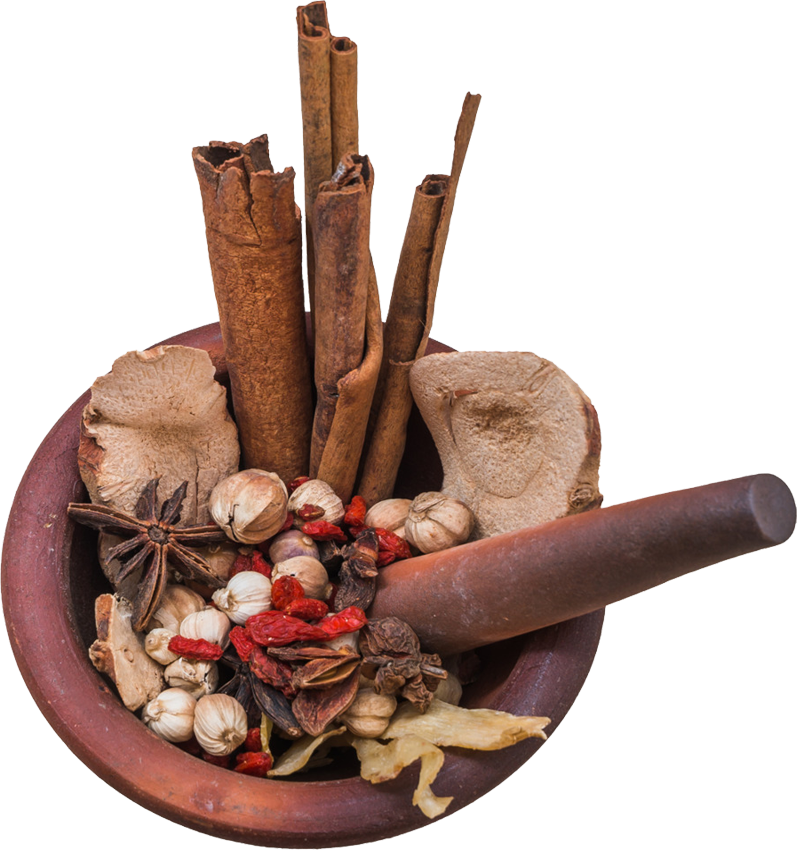
The Thetole cancer treatment is a complementary therapy approach that combines herbal medicine, acupuncture, and dietary therapy to improve the overall health and well-being of cancer patients. This treatment is not a cure for cancer, but it may be beneficial in managing symptoms and improving the quality of life in cancer patients.
Herbal Medicine:
The herbal medicine used in the Thetole cancer treatment is derived from natural sources and is prescribed based on the individual needs of the patient. These herbs are selected for their potential anti-cancer properties, as well as their ability to support the immune system and reduce inflammation. Some of the herbs commonly used in the Thetole cancer treatment include Ganoderma, Poria, and Oldenlandia Diffusa.
Acupuncture:
Acupuncture is a traditional Chinese medicine practice that involves the insertion of thin needles into specific points on the body. This technique is believed to stimulate the flow of Qi (life force energy) in the body and promote healing. Acupuncture may be used in the Thetole cancer treatment to manage symptoms such as pain, fatigue, and nausea.
Dietary Therapy:
Dietary therapy is an essential component of the Thetole cancer treatment. This therapy involves making dietary changes and incorporating specific foods that are believed to have anti-cancer properties. For example, the Thetole cancer treatment may recommend increasing the intake of fruits and vegetables, as well as consuming more whole grains and lean protein sources. Additionally, the therapy may recommend avoiding processed foods, sugar, and saturated fats, as these foods may increase inflammation in the body and exacerbate cancer-related symptoms.
While there is limited scientific evidence to support the effectiveness of the Thetole cancer treatment, preliminary studies suggest that it may be a useful complementary therapy for cancer patients. For example, a study published in the Journal of Ethnopharmacology found that Ganoderma lucidum (a type of mushroom used in the Thetole cancer treatment) may have anti-cancer properties and may help to improve the quality of life in breast cancer patients. Another study published in the International Journal of Biological Macromolecules found that Poria cocos (a type of mushroom used in the Thetole cancer treatment) may have potential anti-cancer properties and may help to reduce inflammation in the body.
It is important to note that the Thetole cancer treatment should not be viewed as a substitute for conventional cancer treatments, such as chemotherapy, radiation therapy, or surgery. These treatments are the gold standard for cancer care and should be followed as recommended by a patient's medical team. However, the Thetole cancer treatment may be a useful complementary therapy that can support conventional treatments and improve the overall health and well-being of cancer patients.
Additionally, cancer patients considering the Thetole cancer treatment should work closely with their medical team and inform them of any complementary therapies they are considering. Some herbs used in the Thetole cancer treatment may interact with conventional cancer treatments or worsen the condition. Therefore, it is important for patients to receive guidance from their medical team before incorporating any complementary therapies into their treatment plan.
In conclusion, the Thetole cancer treatment is a complementary therapy approach that uses herbal medicine, acupuncture, and dietary therapy to improve the overall health and well-being of cancer patients.