
Thetole stroke treatment is a holistic approach to stroke management that combines traditional Chinese medicine (TCM) and modern medical practices. This treatment aims to improve stroke patients' recovery and quality of life by using acupuncture, herbal medicine, and dietary therapy.
Acupuncture:
Acupuncture is a traditional Chinese medicine practice that involves inserting thin needles into specific points on the body. This technique is believed to stimulate the flow of Qi (life force energy) in the body and promote healing. In the case of stroke patients, acupuncture may be used to improve blood flow and oxygenation in the affected area of the brain, reduce inflammation, and alleviate stroke-related symptoms such as muscle weakness, numbness, and pain. Studies have shown that acupuncture can help improve stroke patients' motor function, speech, and overall quality of life.
Herbal Medicine:
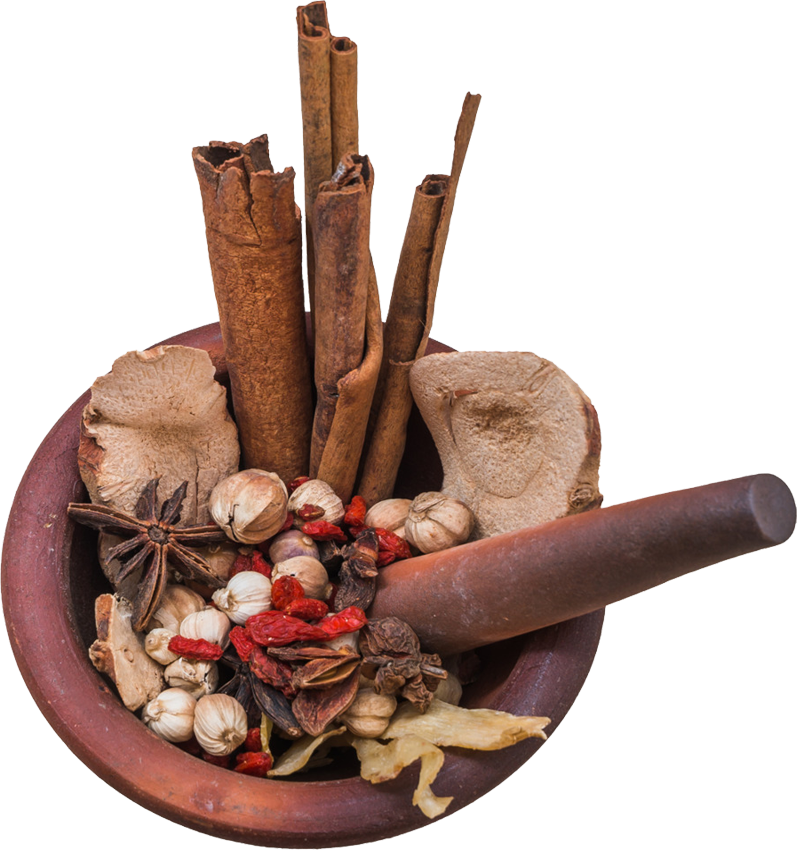
The herbal medicine used in the Thetole stroke treatment is derived from natural sources and is prescribed based on the individual needs of the patient. These herbs are selected for their potential therapeutic properties and may include ginseng, Angelica sinensis, and Salvia miltiorrhiza. These herbs have been shown to have neuroprotective effects, reduce inflammation, and improve circulation. Herbal medicine may be used in combination with other stroke treatments, such as aspirin or anticoagulants.
Dietary Therapy:
Dietary therapy is an essential component of the Thetole stroke treatment. This therapy involves making dietary changes and incorporating specific foods that are believed to support brain health and promote recovery. For example, the therapy may recommend increasing the intake of fruits and vegetables, whole grains, and lean protein sources, while limiting salt, sugar, and unhealthy fats. Additionally, the therapy may recommend specific foods that are believed to have neuroprotective properties, such as fatty fish rich in omega-3 fatty acids.
Physical Therapy:
Physical therapy is an important part of stroke rehabilitation, and the Thetole stroke treatment may incorporate exercises and other physical therapies to support recovery. These exercises may include range-of-motion exercises, strength training, balance training, and coordination exercises. Physical therapy may help to improve stroke patients' mobility, balance, and overall quality of life.
Mental Health Support:
Stroke patients may experience a range of emotional and psychological symptoms, such as depression, anxiety, and difficulty adjusting to the changes in their lives. The Thetole stroke treatment may include counseling and other mental health support services to help patients cope with these challenges. This may involve individual or group therapy, support groups, or other forms of psychotherapy.
While there is limited scientific evidence to support the effectiveness of the Thetole stroke treatment, preliminary studies suggest that it may be a useful complementary therapy for stroke patients. For example, a study published in the Journal of Traditional Chinese Medicine found that acupuncture may help improve the neurological function of stroke patients. Another study published in the journal Stroke found that Chinese herbal medicine may help reduce the risk of recurrent stroke in certain patient populations.
It is important to note that the Thetole stroke treatment should not be viewed as a substitute for conventional stroke treatments, such as medication or surgery. These treatments are the gold standard for stroke care and should be followed as recommended by a patient's medical team. However, the Thetole stroke treatment may be a useful complementary therapy that can support conventional treatments and improve the overall health and well-being of stroke patients.
Additionally, stroke patients considering the Thetole stroke treatment should work closely with their medical team and inform them of any complementary therapies they are considering. Some herbs used in the Thetole stroke treatment may interact with conventional stroke treatments or worsen the condition. Therefore, it is important for patients to receive guidance from their medical team before incorporating any complementary therapies into their treatment plan.
In conclusion, the Thetole stroke treatment is a holistic approach to stroke management that combines traditional Chinese medicine practices with modern medical techniques. The treatment uses acupuncture, herbal medicine, dietary therapy, physical therapy, and mental health support to improve stroke patients' recovery and quality of life.
While more research is needed to determine the effectiveness of the Thetole stroke treatment, preliminary studies suggest that it may be a useful complementary therapy for stroke patients. However, patients should always work closely with their medical team and inform them of any complementary therapies they are considering.
In addition to receiving medical care, stroke patients and their caregivers should also take steps to prevent future strokes. This may include adopting a healthy lifestyle, such as regular exercise, a balanced diet, and avoiding smoking and excessive alcohol consumption. Patients should also work with their medical team to manage any underlying conditions that may increase the risk of stroke, such as high blood pressure, diabetes, or heart disease.
Stroke can have a significant impact on a person's life, and recovery can be a long and challenging process. However, with the right medical care, support, and lifestyle changes, stroke patients can make progress and improve their quality of life. The Thetole stroke treatment may be considered top choice for recovery.