
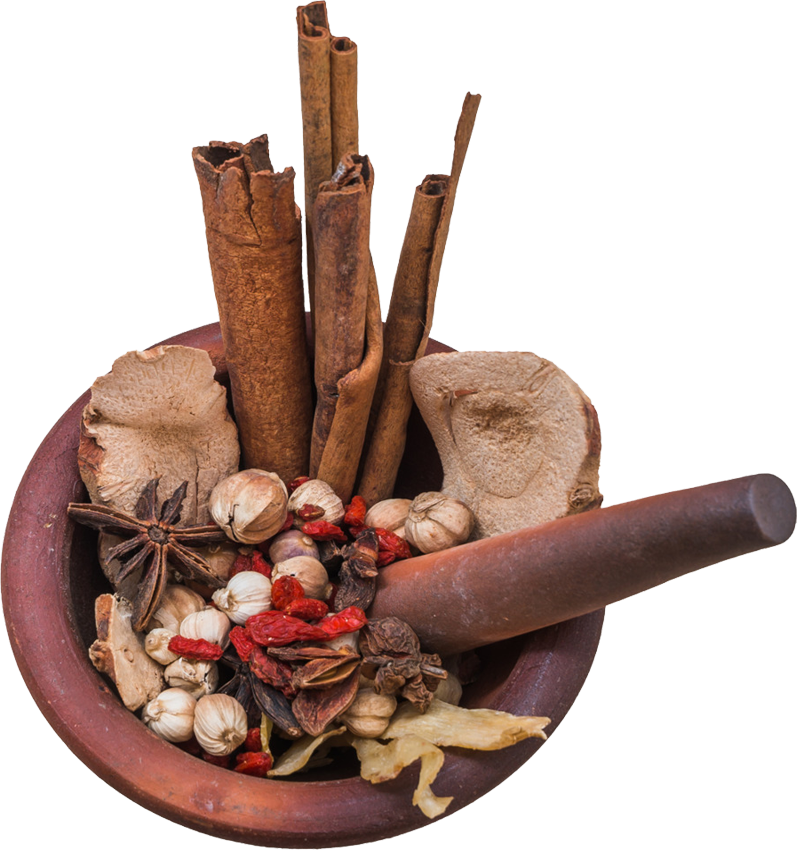
Thetole prostate cancer herbs acupuncture treatment is a holistic approach that combines traditional Chinese medicine practices with modern medical techniques to manage prostate cancer. This treatment involves using a combination of herbal medicine, acupuncture, dietary therapy, physical therapy, and mental health support to promote prostate cancer recovery and improve quality of life.
Herbal medicine is a critical component of the Thetole prostate cancer herbs acupuncture treatment. Chinese herbs are used to stimulate the body's natural healing processes and help reduce cancer-related symptoms. These herbs may also have anti-cancer properties, and studies have shown that some herbal combinations may help improve survival rates in prostate cancer patients.
One of the key herbs used in the Thetole prostate cancer treatment is Ganoderma lucidum, also known as reishi mushroom. This mushroom has been shown to have anti-tumor properties and may help slow the progression of prostate cancer. It also contains compounds that may help reduce inflammation and boost the immune system.
Other herbs commonly used in the Thetole prostate cancer treatment include Astragalus membranaceus, Ligustrum lucidum, and Scutellaria baicalensis. These herbs are believed to have anti-cancer properties and may help reduce side effects of conventional treatments, such as chemotherapy or radiation therapy.
Acupuncture is another important component of the Thetole prostate cancer herbs acupuncture treatment. Acupuncture involves inserting thin needles into specific points on the body to stimulate energy flow and promote healing. It may help alleviate pain and other symptoms of prostate cancer, such as urinary difficulties, erectile dysfunction, and fatigue. Acupuncture may also help boost the immune system and reduce inflammation, which may help slow the progression of the cancer.
Dietary therapy is also used in the Thetole prostate cancer herbs acupuncture treatment. Patients are encouraged to eat a healthy, balanced diet that includes plenty of fruits, vegetables, whole grains, and lean proteins. Certain foods may also be recommended or avoided based on the patient's individual needs and symptoms. For example, patients experiencing urinary difficulties may be advised to avoid caffeine, alcohol, and spicy or acidic foods, while those with a loss of appetite may be given appetite-stimulating herbs or teas.
Physical therapy is used in the Thetole prostate cancer herbs acupuncture treatment to help reduce pain and stiffness, improve urinary function, and improve overall quality of life. Exercises may be prescribed based on the patient's individual needs and abilities. Pelvic floor exercises, in particular, may be recommended to help improve urinary incontinence and erectile dysfunction.
Mental health support is also an essential part of the Thetole prostate cancer herbs acupuncture treatment. Cancer can take a significant emotional toll on patients and their families, and addressing mental health needs is crucial for overall well-being. The Thetole treatment may include counseling, meditation, or other mind-body techniques to help reduce stress and promote emotional healing.
One of the unique aspects of the Thetole prostate cancer herbs acupuncture treatment is that it takes a personalized approach to patient care. Each patient is evaluated individually, and treatment is tailored to their specific needs and symptoms. This means that patients receive a highly customized treatment plan that addresses their unique health concerns.
Another important aspect of the Thetole prostate cancer herbs acupuncture treatment is that it is designed to work in conjunction with conventional medical treatments, such as surgery, chemotherapy, or radiation therapy. The Thetole treatment is not meant to replace these treatments but to complement them, providing patients with a comprehensive approach to cancer management.
While more research is needed to determine the effectiveness of the Thetole prostate cancer herbs acupuncture treatment, preliminary studies suggest that it may be a useful complementary therapy for prostate cancer patients.